ready to
get started?
Request aget started?
Consultation
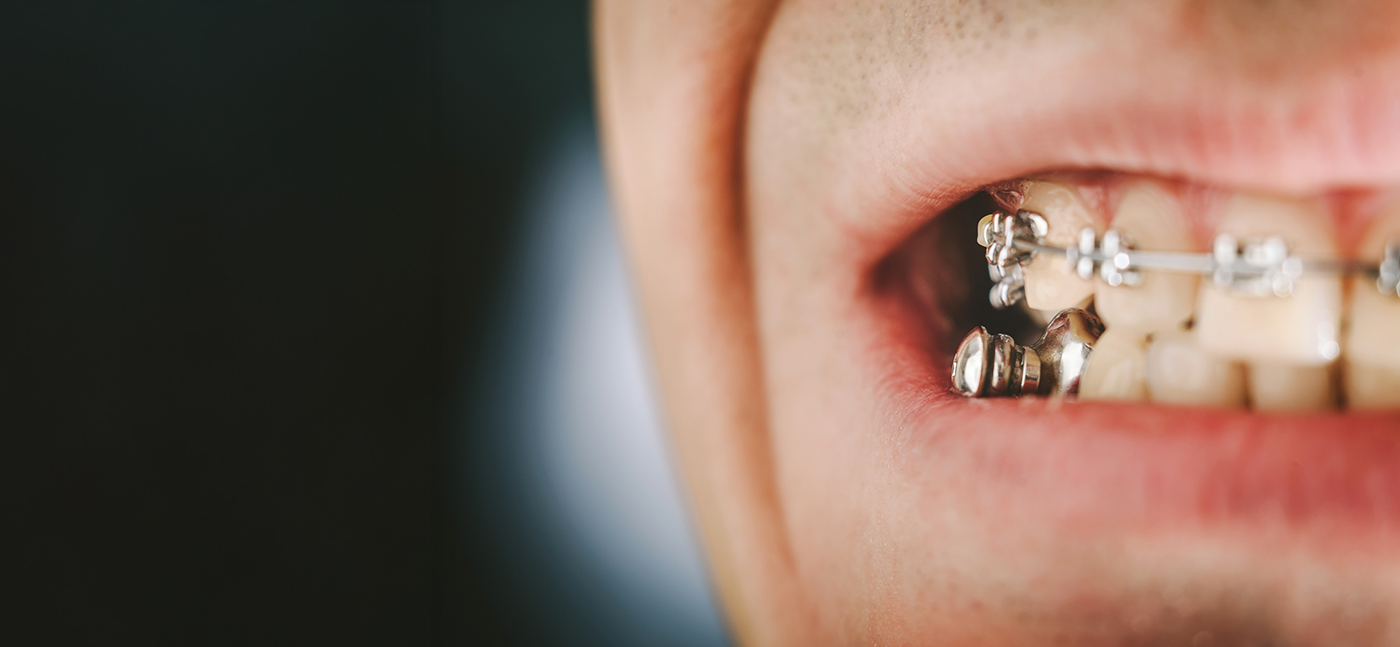
Aside from the obvious benefits of orthodontic treatment, like increased confidence and ease of hygiene, another benefit is not so obvious: improved jaw function. If your child has an overbite, simple treatment with braces will not correct the problem. The Herbst appliance from our Bend orthodontist, usually in conjunction with braces, is used to help the lower jaw develop in a forward direction. This eventually leads to an ideal bite. Left untreated, an improper bite may threaten the long-term health of your child's teeth, gums, and jaw.
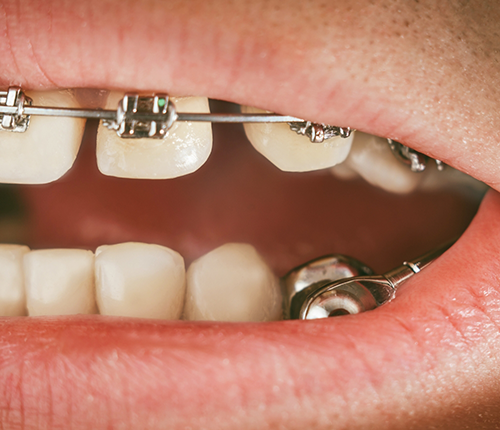
A Herbst appliance is fixed to your child's molars. It includes a metal tube that connects the upper and lower jaw. By adjusting the tube, your orthodontist is able to control the jaw's position in relation to the upper teeth. Typical treatment time with a Herbst appliance is 12 months, though this may vary depending on your child's unique needs.
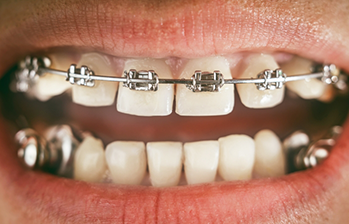
The main difference between a Herbst appliance and headgear is that the Herbst appliance is securely fastened to your child's teeth, while headgear is removable. To be truly effective, headgear must be worn between 12 and 16 hours per day, which often poses a problem with patients who don't like to keep it on that long. Since the Herbst appliance is not removable, you won't need to keep track of how many hours per day your child wears it.

Another difference is aesthetics. Headgear is bulky, made of metal hooks or a facebow, and straps or a head cap to anchor the headgear to the back of the head or neck. A Herbst appliance is a much more discreet option: it may be visible when your child laughs or speaks, but it is far less obtrusive than headgear.

Muscle Tenderness – When your child first gets his or her Herbst appliance, there may be some overall muscle tenderness and soreness of the teeth. As your child's mouth adapts to the appliance, the soreness should fade.
Tissue Irritation – Because the Herbst appliance is metal, it may cause some slight tissue irritation, especially on the lower gums. It will take time for your child's mouth to adapt. Until it does, dental wax can help to ease the irritation.
Diet – Eating softer food will help with any muscle soreness, especially after the first week or two after getting the appliance. It is also important to eliminate sticky foods, like candy and gum, or hard, crunchy foods, which can damage the appliance and lengthen treatment time.
The best time to use a Herbst appliance in Bend is during your child’s growth spurt. This helps ensure that the lower jaw is held in an ideal position at a time when significant natural facial growth occurs. Orthodontists can use hand-wrist X-rays to determine your little one’s skeletal age, which allows them to predict when a growth spurt is about to occur.
Using a Herbst appliance at just the right time during your child’s development can go a long way toward helping them avoid structural issues that can put them at a higher risk for sleep apnea and other breathing problems.
Our team will make sure that you’re fully aware of the foods that your child should stay away from while they have a Herbst appliance. In particular, they will need to avoid anything that is sticky, chewy, crunchy, or hard. Common examples include gum, caramel, taffy, popcorn, ice cubes, nuts, and bagels. Raw carrots and apples can potentially be okay as long as they are cut into very thin pieces beforehand.
Before your child receives their Herbst appliance, we may prepare ahead of time by placing spacers between certain teeth. This helps ensure that there’s enough room to easily place the molar bands that will be responsible for anchoring the appliance.
On the day that your child receives their Herbst appliance, the spacers will be removed. After checking to make sure that the appliance fits properly, orthodontic cement is placed in the bands, which are then attached to the teeth. We’ll give the cement time to set before we place the arms of the Herbst appliance. The process can typically be completed in about an hour, and it generally involves little discomfort.
After your child receives their Herbst appliance, it is normal for them to experience a small amount of discomfort during the first week or two. As time passes, their mouths will grow used to the presence of the appliance, and their discomfort will diminish significantly.
If your child sleeps on their side, they may experience sore cheeks due to the pressure from their Herbst appliance. To address this issue, you can use small cotton triangles known as dry angles. When placed in the mouth, dry angles can keep the inside of the cheeks separate from the Herbst appliance throughout the night.
In the event that your child’s discomfort seems to grow worse over time, you should call our office immediately. If there’s an issue, our team will take whatever steps are needed to identify and address it.