
Maybe you had braces as a teenager, proudly finished treatment, and thought you were officially done with orthodontics forever. Then, years later, you looked in the mirror and noticed that your teeth had started shifting again. So, can you wear braces twice?
In many cases, yes! It’s possible to have orthodontic treatment more than once, and it’s not unusual for adults to seek treatment after having braces earlier in life. Teeth can move over time for several reasons, and a second round of treatment may help bring them back into better alignment.
Why Do Teeth Move After Braces?
Finishing braces doesn’t mean your teeth are permanently locked into their new positions. Teeth naturally respond to pressure throughout your life, and the tissues and bone surrounding them can change over time.
One of the biggest reasons teeth shift after orthodontic treatment is not wearing a retainer as recommended. Retainers help hold your teeth in their corrected positions while your mouth adjusts to the results of treatment. If you stop wearing yours or lose it, your teeth may gradually move.
Age can also play a role. Normal changes in your jaw, bite, and surrounding tissues can affect tooth positioning. Even if you wore your retainer consistently, some movement can occur over the years.
What Is Orthodontic Relapse?
When teeth move back toward their previous positions after orthodontic treatment, this is called orthodontic relapse. The amount of relapse can vary from person to person.
Sometimes the changes are minor, such as a little crowding in the front teeth. In other cases, teeth may shift enough to affect your bite or the overall appearance of your smile. The good news is that relapse doesn’t necessarily mean you have to live with unwanted changes to your smile.
Can Braces Fix Shifting Teeth Again?
For many patients, a second round of orthodontic treatment can help correct teeth that have shifted. Your orthodontist will evaluate your current alignment, bite, and overall oral health before recommending a treatment approach.
Depending on how much your teeth have moved, treatment may be shorter or less involved than your original orthodontic treatment. However, every situation is different. Some patients may need comprehensive treatment again, while others may only need a more limited correction.
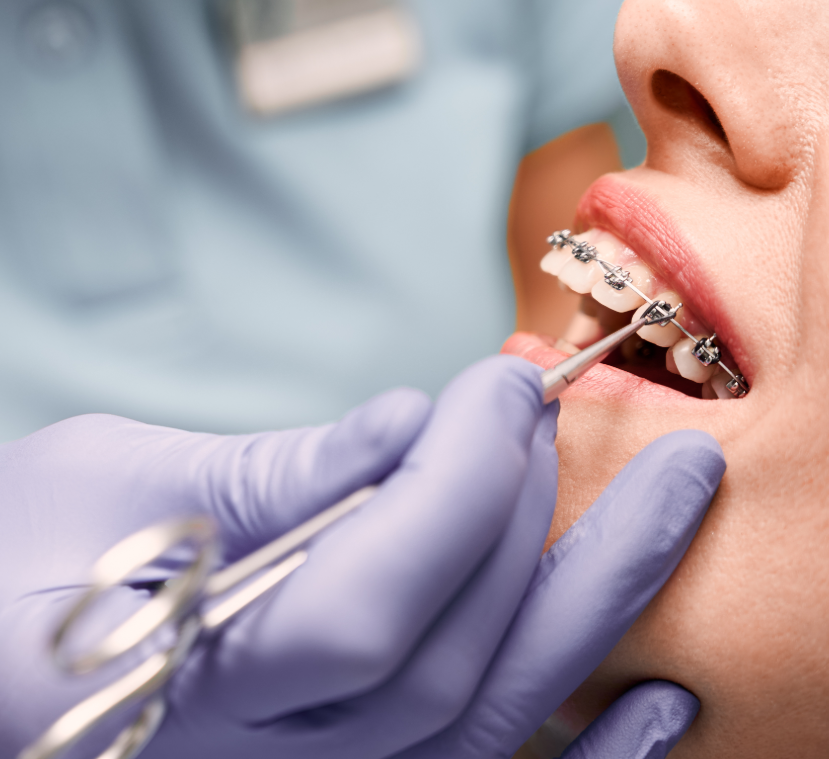
Traditional braces use brackets and wires to apply gradual, controlled pressure that moves teeth into their desired positions. They can be an effective option for addressing a variety of alignment concerns, including those that develop after previous orthodontic treatment.
Does Getting Braces Twice Mean Something Went Wrong?
Not necessarily! Needing orthodontic treatment again doesn’t automatically mean your first treatment failed. Teeth are living structures, and they can continue to change throughout your life.
Retainers are an important part of maintaining your results, but even patients who follow their orthodontist’s recommendations can experience some movement over time. Your current smile and bite are what matter when determining whether additional treatment could benefit you.
What Happens After Your Second Round?
Once your teeth have been realigned, retention is just as important as it was the first time around. Your orthodontist will recommend a retainer schedule based on your individual needs.
Following those recommendations can help protect your new results and reduce the likelihood of significant shifting in the future. Think of retainers as the maintenance plan for all the work that went into creating your straighter smile.
If your teeth have shifted since your first experience with braces, you’re not necessarily starting from square one. A consultation with an orthodontist can help you understand what has changed and which treatment options may be appropriate.
About the Practice
Struble Orthodontics provides orthodontic care for patients looking to improve the alignment, function, and appearance of their smiles. The practice offers traditional braces as one treatment option and works with patients to develop orthodontic plans based on their individual needs.
Call us at (541) 848-6642 or schedule your appointment online